


How to Extract Water from Carpets?
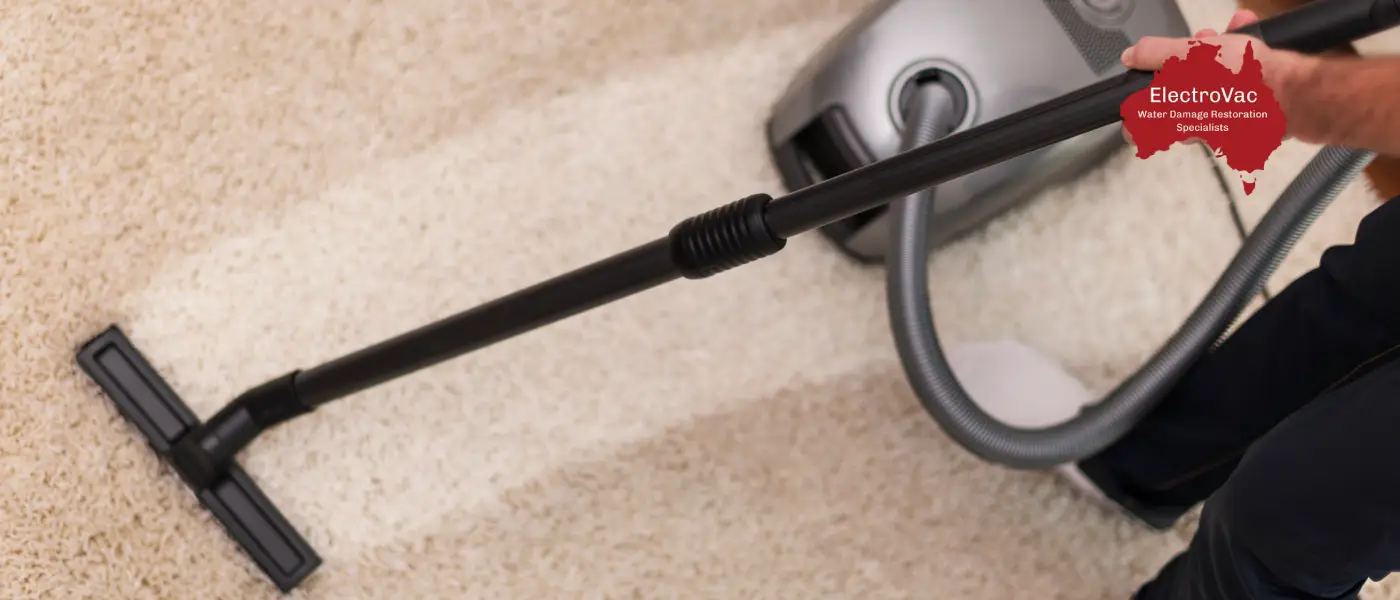
Floods, spills, or leaks on carpeted floors can cause extensive damage. Unless the water is extracted from the soaked carpets quickly, long-term damage will begin to take hold. The excessive moisture trapped in the wet carpets allows mildew to form, leaving visible stains and causing structural as well as aesthetic problems in the long run.
Fast water extraction from carpets not only saves the material but also keeps your indoor space healthy. In this blog, we’ll cover what happens when carpets stay wet after an incident. You’ll also learn about different measures to take when dealing with damp carpets, and how much drying time it takes after removing all the moisture. So, let’s dive right in.
Why Do Wet Carpets Create Bigger Problems?
Health Risks
Wet rugs or carpets can be injurious to your health. As bacteria, mould and fungi grow quickly in the damp fibres. People with weak immune systems or those with allergies will react negatively to such situations. Besides, constant exposure to these harmful microbes can lead to respiratory issues later on.
Unpleasant Odours
Damage to the Flooring and Carpet Padding
Steps to Take When You Find a Wet Carpet
Water-damaged carpets can weaken the underlying structure, cause mould growth and introduce health risks. If left untreated, it will also wear out the material, causing it to lose shape, colour and aesthetic appeal. Even worse, they make a perfect spot for bacteria and other microbes to thrive. That’s why taking immediate action is key.
Here’s how you should deal with wet carpets:
Once the carpet and padding are completely dry, apply an EPA-approved antimicrobial carpet cleaning solution. This kills any mould, bacteria and mildew that have developed on the carpet surface. Lastly, allow it to sit for a while before vacuuming or rinsing as recommended
How Long Does a Carpet Take to Dry After Water Extraction?
The time taken for a carpet to dry after water extraction depends on several factors. It generally takes around 12 to 48 hours, but varies based on the material, thickness, humidity level and airflow. After accounting for all these factors, you’ll get a better estimate of drying times for different carpet types.
Different fabrics absorb and release water at different rates. This is why wet carpet drying often takes longer for natural fibres like wool when compared to synthetic ones, such as nylon. Moreover, thickness plays a significant role, too. Thicker carpets trap more moisture in the pile and padding, extending drying time. Environmental humidity also has a huge impact, as higher humidity levels slow evaporation while drier air accelerates it.
We provide immediate service in the event of water damage. Our emergency crew is available 24hrs 7 days a week.
Signs You Need Professional Carpet Drying
Some situations require professional expertise to address carpet drying needs. If you notice any of the following signs, it’s time to seek expert assistance:
Understanding these signs can negate the effects of flooded carpets while having a huge impact on the recovery process.
Need Help Drying Your Wet Carpet? Contact Electrovac Today!
We hope this blog has provided insight into how to get water out of carpet or when you should engage a specialist. Electrovac has over 3 decades of experience in water damage restoration. If you need professional carpet cleaning and drying in Melbourne, we’re the experts you can trust.
In addition to working on wet carpets, our services also include tile and grout cleaning, concrete cleaning, allergy control and flood damage restoration. To learn more or to book an appointment today, give us a call on any one of these numbers: 0417 529 728 / (03) 9483 4182 / (03) 9558 3205. Alternatively, you can also email us at electrovac1@optusnet.com.au.