


How to Remove Mould from Carpet?
Spotting mould on carpet is never pleasant. It usually starts with a damp smell, a few dark patches, or a stubborn stain that keeps coming back. If left untreated, mould can spread through carpet fibres and affect indoor air quality. To effectively get rid of mould, the spores must be killed, and the area must be sanitised thoroughly to stop the issue from returning.
While some small areas can be handled with DIY cleaning methods, larger or long-standing issues often need professional attention. This is where Electrovac steps in. We provide homes and businesses in Melbourne with reliable carpet mould removal services that remove moisture, treat affected areas, and restore carpets safely.
What Causes Mould on Carpets?
Several factors can lead to mould on carpet growth, especially in properties with excess moisture. Flooding, leaking pipes, roof leaks, and spills that are not dried properly are some of the most common causes. High indoor humidity and poor airflow also create the perfect environment for mould to grow underneath carpets and rugs.
In Melbourne, colder months and damp conditions can worsen the problem. Furthermore, dirty carpets can also trap moisture and organic matter, increasing the chances of mould developing over time. This is why proper mould carpet cleaning must be done regularly.
Is Mould in Carpet a Health Risk?
Yes, mould in carpets can affect indoor air quality and trigger health issues, especially for people with allergies, asthma, or respiratory conditions. Exposure to the spores may cause coughing, sneezing, skin irritation, headaches, and breathing discomfort.
A lingering carpet mould smell is often one of the first signs that mould is present beneath the surface. If the mould covers a large area or keeps returning, hiring a professional carpet mould removal service is the safest option.
How to Remove Mould from Carpet?
If you are wondering how to remove mould from carpet, acting quickly is key. Small patches can be treated using DIY solutions, but the carpet must be dried properly to stop mould from returning. Below are some practical steps for safely and effectively cleaning mould off carpets.
Step 1: Open Windows and Door for Ventilation
Start by opening windows and doors to improve airflow in the room. Proper ventilation reduces airborne mould spores and speeds up the drying process. Fans and dehumidifiers can also be used to remove excess moisture while you address the mould on rugs or carpets.
Step 2: Prepare the Area
Wear gloves, safety glasses, and a face mask before handling mould. Move furniture away from the affected section and isolate the area if possible. This prevents spores from spreading to other rooms during the rug mould removal or carpet cleaning process.
Step 3: Vacuum the Carpet Completely
Use a vacuum with a HEPA filter to clean loose mould spores, dust, and debris from the carpet surface. Vacuum slowly and carefully across the affected area. Dispose of the vacuum bag immediately afterwards to avoid spreading mould spores back into your home.
Step 4: Apply a Mould Carpet Cleaner
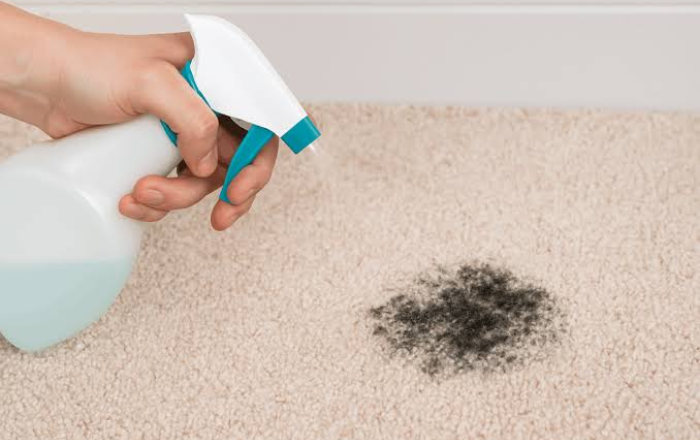
Choose a suitable mould carpet cleaner designed to treat mould and mildew. Lightly spray the affected area and allow the solution to sit for the recommended time. Avoid soaking the carpet, as too much moisture can worsen the issue instead of helping remove mould from carpets effectively.
Step 5: Scrub the Affected Area with a Mould-removing Solution
Next, gently scrub the mouldy area using a soft brush and a cleaning solution such as white vinegar mixed with water or a specialised product. This step loosens the mould from the carpet fibres. Repeat the process if needed to fully get rid of mould in carpets without damaging the material.
Step 6: Let the Carpet Dry Completely
Once the cleaning is complete, let the carpet dry. This is one of the most important steps of carpet mould removal. Use fans, air conditioning, or dehumidifiers to remove moisture from the carpet and underlying surface. Even slightly damp carpets can allow mould to return quickly, so dry them out thoroughly.
Step 7: Sun Dry Your Carpet
If possible, take removable rugs or smaller carpet sections outside and place them in direct sunlight. While drying equipment can remove most of the moisture, exposure to sunlight kills remaining mould spores and removes lingering odours. This method works well for smaller items affected by mould.
How to Prevent Mould from Returning
Keeping carpets dry is the best way to stop mould from coming back. Fix leaks quickly, improve ventilation, and use dehumidifiers in damp areas of the home. You should also avoid leaving wet carpets unattended after spills or flooding.
Regular vacuuming and professional mould carpet cleaning can also help maintain healthier indoor conditions. If you notice a persistent mould smell, it is best to investigate the source early before the mould spreads further. In case DIY methods are ineffective at removing mould completely and preventing its return, it’s best to hire professionals for the job.
We provide immediate service in the event of water damage. Our emergency crew is available 24hrs 7 days a week.
Need Fast Mould Removal in Melbourne? Contact Electrovac Today
We hope this blog has helped you learn how to get mould out of carpets. While DIY methods may help with minor spots, widespread mould often requires professional treatment. If the mould has spread under the carpet, taken over a huge area in your home, keeps returning, or causes a strong odour, it is safer to contact experienced technicians.
Professional cleaning can prevent long-term damage to carpets and reduce health risks caused by hidden mould growth. At Electrovac, we provide reliable carpet mould removal services across Melbourne using specialised equipment and proven cleaning methods. Whether you need help with removing mould, drying water-damaged flooring, or complete carpet cleaning, our team is ready to help.
To book an appointment, call us on 0417 529 728 / 03 9483 4182 / 03 9558 3205 or email us at electrovac1@optusnet.com.au.